




posted 29th May 2026
Amber Weather Warning & Heatwave Safety in Domiciliary Care
With an amber weather warning and rising temperatures across the North, it is important for all domiciliary care staff to remain vigilant and take extra precautions to protect both themselves and the individuals they support.
Heatwaves can pose serious health risks, particularly for elderly and vulnerable service users living independently at home. As care professionals, we all play an important role in ensuring people remain safe, cool, comfortable, and hydrated during periods of extreme heat.
Why Hot Weather Can Be Dangerous
High temperatures can quickly lead to:
- Dehydration
- Heat exhaustion
- Heatstroke
- Fatigue and dizziness
- Increased confusion or discomfort
- Worsening existing medical conditions
Many service users may be unable to recognise the signs of overheating themselves, making regular monitoring and support essential.
Supporting Service Users During the Heatwave
Encourage Regular Hydration
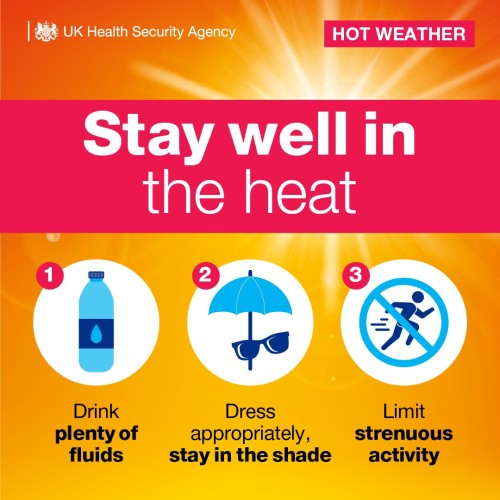
One of the most important things we can do is encourage service users to drink fluids regularly throughout the day.
Care staff should:
- Offer water and cold drinks frequently
- Encourage little and often drinking if someone struggles with larger amounts
- Monitor for signs of dehydration such as dry mouth, confusion, dark urine, or tiredness
- Support with preparing cold meals, fruit, or foods with high water content where appropriate
- Keeping Homes Cool
During visits, staff should help maintain a cooler home environment by:
- Keeping curtains and blinds closed in sunny rooms during the day
- Opening windows safely in the early morning or evening when temperatures are cooler
- Using fans safely where available
- Turning off unnecessary lights or electrical items that generate heat
Even small changes can significantly reduce indoor temperatures and improve comfort for service users.
Appropriate Clothing & Personal Comfort
Encourage service users to wear:
- Lightweight and loose-fitting clothing
- Light-coloured, breathable fabrics
- Appropriate sun protection if outdoors
Cool flannels, damp cloths, or shaded areas can also help individuals remain comfortable during hotter periods.
Monitoring Vulnerable Individuals
Some service users are at greater risk during hot weather, especially those who:
- Are elderly
- Have dementia or cognitive impairments
- Have limited mobility
- Take medication that may affect hydration or body temperature
- Have respiratory or heart conditions
Staff should remain alert for signs of heat exhaustion including:
- Excessive sweating
- Dizziness
- Headaches
- Weakness or confusion
- Nausea
- Rapid heartbeat
If symptoms become severe or a person becomes unresponsive, stops sweating, or appears confused, urgent medical assistance should be sought immediately.
Looking After Ourselves Too
Care workers should also remember to:
- Stay hydrated throughout shifts
- Wear lightweight uniforms where possible
- Take breaks in cooler environments when available
- Use sun protection during travel between calls
- Final Reminder
Domiciliary care staff are often the first line of support for vulnerable people during extreme weather conditions. Small actions such as encouraging fluids, keeping curtains closed, checking room temperatures, and monitoring wellbeing can make a huge difference in keeping service users safe during the heatwave.
Thank you for your continued dedication and support during this period of hot weather. Please continue to follow local weather updates and prioritise the safety and wellbeing of those in your care.